-
Senior Member
registered user
Without having asked about this, I guess KK's first answer will be negative. Knoppix is extremely hardware agnostic, but achieves that by sticking to hardware based on x86 architectures, and keeps the 32-bits approach. Not even a 64-bits version is in sight (if things haven't changed lately), and I have come to support his approach, IMHO it's very practical to chroot into a 64-bits system from hybrid Knoppix and doing everything purely 64 bits there.
This 32/64-bits situation will relatively soon be parallelled in the mobile scene, making the whole situation even more convoluted.
It will be very interesting to see how the Tizen project develops - but there will actually be several Debian-based mobile alternatives. A Ubuntu version was recently announced, and you can already download an alpha release of Bodhi for the Asus Nexus 7 tablet. The Knoppix take on this might be to adapt a minirt.gz for mobile devices, which I guess will have to be tweaked separately for each new device in the first place.
With 2-4GB of RAM and 16-32GB of internal storage on the upcoming devices, there should be room for a Knoppix compressed image+persistent store without wiping out anything else, setting up for multi-boot.
 Posting Permissions
- You may not post new threads
- You may not post replies
- You may not post attachments
- You may not edit your posts
-
Forum Rules


Vintage Digital VR241-A color CRT monitor, powers on, DEC Rainbow or terminal
$150.00
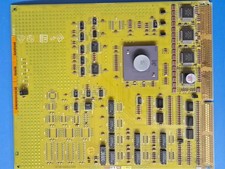
Vintage DEC Digital XMI-A1 5017293-01A1 LWPR BE3-0 VAX Circuit Board T2012
$74.99
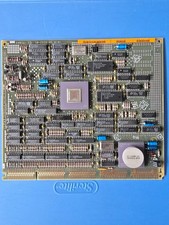
Vintage DEC Digital T1043 DWMBB/B VAXBI XMI Adapter 5018232-01 C1 VAX Board
$119.99
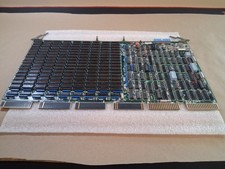
Vintage DEC/Mostek memory systems MK 8015 AA-00 6805-08015 1100 REV C(B7)
$279.99
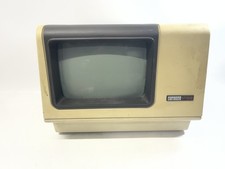
Vintage DEC VT100 Series Terminal (Powers On)
$499.99
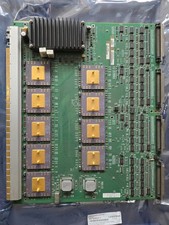
Vintage DEC E2052-AA AlphaServer I/O Board 9 Gold Ceramic ICs 4.3 LB Gold Scrap
$749.99
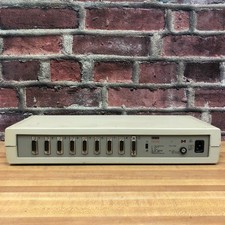
Vintage DEC Digital Equipment DELNI 8-Port Ethernet Local Network Hub VAXstation
$79.95
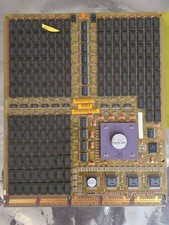
DEC T2053-DE MS65A-DA 128MB VAX 6000 Memory Board Gold Scrap Vintage
$79.99
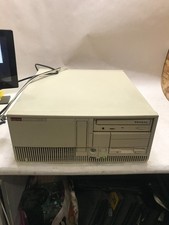
Vintage DEC Digital Starion 200 Desktop PC Powers On Boots To BIOS NO HDD - DW
$269.99
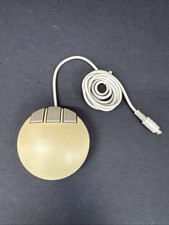
Vintage DEC Digital VSXXX-AA.B03 Hawley 3-Button Mouse 1986 Tested Working
$111.00



 Reply With Quote