-
Senior Member
registered user

Originally Posted by
probono
That would be fine with me, but I am not sure whether debian would allow klik to host recipes for stuff like RealPlayer and Flash even though the binaries wouln't be hosted there. Stuff like RealPlayer and Flash is exactly the reason why I saw a need for klik in the first place.
Where I see more possible synergies is a cooperation with sites like
www.kde-apps.org - wouldn't it be awesome to have a klik button next to each app listed there?
Debian has certainly had packages previously which installed external binary non-free software. A debian server won't be able to carry binary non-free data though (afaik) without a struggle (for example binary firmware in the kernel was looked at very seriously). They do already carry the flashplugin-nonfree package in contrib for testing and unstable.
I am however far more concerned about your desires to keep a part of klik itself non-free, the client. I don't think you have thought through some of the ramifications of that decision, and perhaps I can draw some to your attention.
If you have one non-free client, it must support all distributions and releases, not simply Knoppix or else the potential for kde-apps.org to link to you is greatly minimised.
By having a closed section you invite a re-implementation. This could either be that someone simply writes a free compatible client, or else that someone recreates the entire system. I can quickly conjure up half a dozen examples of where people would want their own klik. All this would delay the time before end users see a benefit from this (fractured work).
Some people will not contribute to the project as they fundamentally disagree with placing the control of their work under a non-free licence.
Security through obscurity is no security at all! If you want to protect end users from malicious software, then you should secure the client, not hide it's source! You could use cryptographic signing of the recipies (distro should include a key), include md5sums for all external data, layer the client so that it must remain unaltered as it fetches parts of itself which can in turn fetch further parts (of itself or the recipies).
Why are you suggesting that klik is so useful to hackers? What is special about klik as compared to ssh, wget, bash, perl, etherdump or kppp or ... ?
You have your own focus on klik (kde and knoppix) but others will have different ideas. By keeping the client closed you do not encourage everyone to join in and work on the system to improve it for all, but restrict your system to those who don't mind giving you their code because their exact target is the same as yours.
Similar Threads
-
Replies: 210
Last Post: 12-04-2004, 03:04 PM
-
By Wil in forum Hdd Install / Debian / Apt
Replies: 6
Last Post: 12-17-2003, 11:34 PM
-
By dave52355 in forum Hardware & Booting
Replies: 1
Last Post: 10-12-2003, 09:39 AM
-
By dave52355 in forum Hardware & Booting
Replies: 5
Last Post: 09-24-2003, 05:06 AM
-
By Sergio1704 in forum The Lounge
Replies: 2
Last Post: 06-15-2003, 02:19 PM
 Posting Permissions
- You may not post new threads
- You may not post replies
- You may not post attachments
- You may not edit your posts
-
Forum Rules

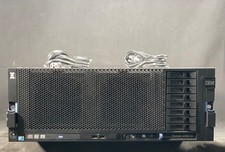
IBM System X3850-X5 Server w/4x Intel Xeon E7-4870 CPU , 512 GB DDR3 RAM,NO HDD
$1599.99
IBM 7915 AC1 M4 E27R704 Server Intel 2650V2 32GB RAM NO HDD w/ 2x 750w PSU
$225.00
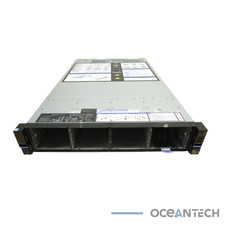
IBM QRadar xx29 2x Xeon E5-2650v4 2x 900W PSU M5120 12x 3.5" Bay Server No RAM
$179.99
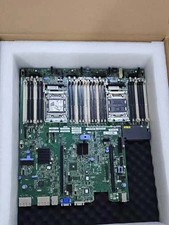
IBM X3650 M4 Server System Board 00MX553 00AM209 00Y8499 00Y8457 00D2888 00W2671
$230.00
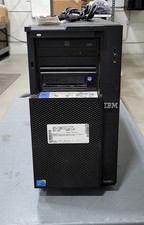
IBM SYSTEM X3500 M3 SERVER 7380AC1 TOWER Server XEON E5620 8GB RAID SEE NOTES
$111.70

IBM X3650 M5 5462-AC1,2 X E5-2640V3 2.6GHZ 8C, 16 GB, DUAL 750W, 2 X 1TB SERVER
$349.99
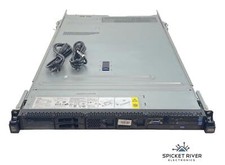
IBM x3550 M4 1x 3.50GHz Quad Core Xeon E5-2637v2 32GB RAM 8-Bay No HDDs - READ
$20.00
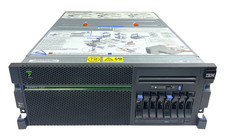
IBM Power 720 8202-E4B Server - POWER7 4-Core 3GHz, 8GB, 2x 146GB HDD, 1725W PSU
$450.00
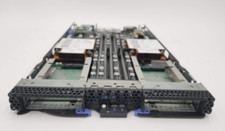
IBM ADP Server Type 7870 AC1 NO HDD | 128GB RAM PC3L | 2 x Xeon E5620
$199.99
DELL POWEREDGE HP IBM SERVER XEON GOLD 5315Y 8 CORE PROCESSOR 3.2 GHZ SRKXR
$1100.00



 Reply With Quote